Benefits
- Functional in microgravity, unlike traditional menstrual cups
- Operational in environments where mobility, or access to sanitary facilities is limited
- Zero waste.
Technology
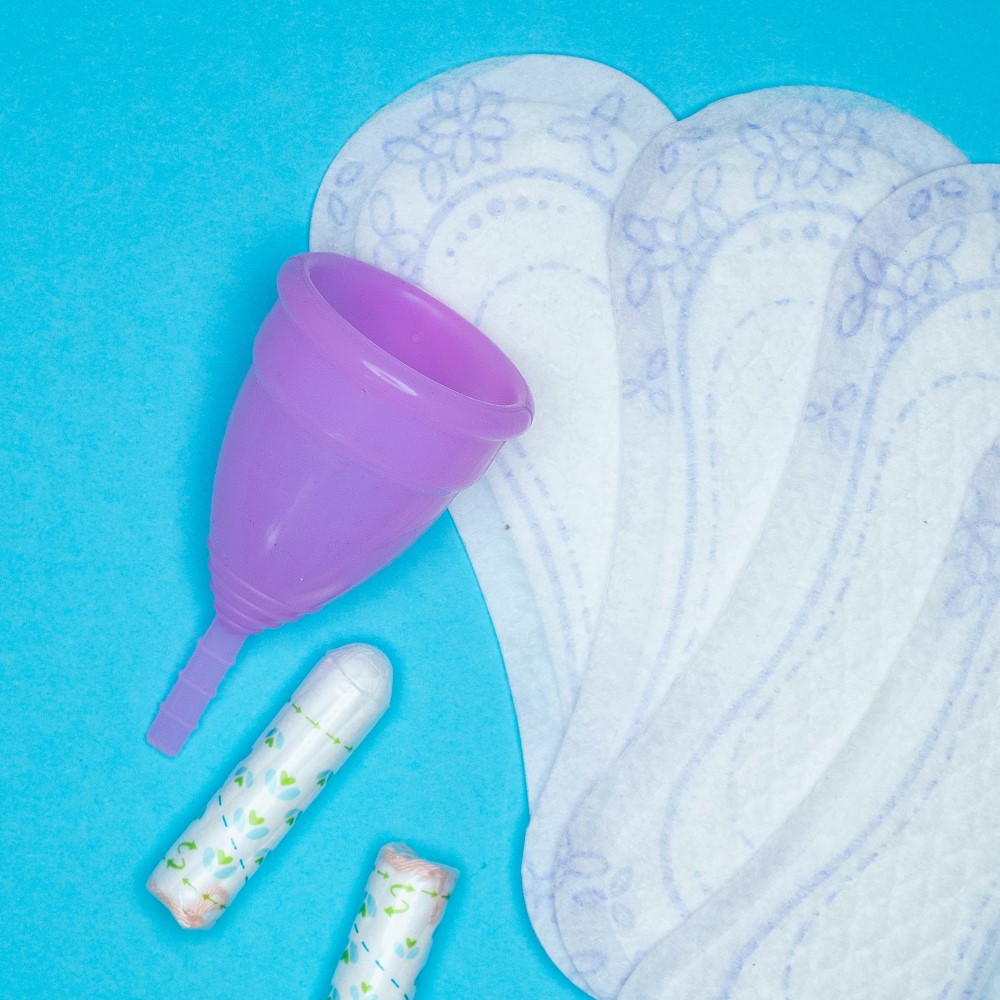
THE RED PLAN-ET is developing a zero-waste reusable menstrual device that works in microgravity environments. Current options to manage menstruation in space are either hormonal suppression, or disposable products - neither of which are suitable for long term use in lunar/martian habitats due to side effects, and waste generated. While menstrual cups are an existing zero-waste solution on Earth, they rely on gravity and access to sanitary facilities. THE RED PLAN-ET solution is unique in that it is functional in space, can be used in remote environments, and doesn’t cause hormonal side effects - all without producing the waste of single use products.
Potential markets
While designed for human spaceflight, the menstrual device has applications in industries on Earth. This includes but is not limited to: military/aviation, healthcare, outdoor industries, and other environments where access to sanitary facilities is limited. Since 26% of the human population menstruates, there is also mass market potential.
Partnering opportunities
THE RED PLAN-ET is looking to partner with organisations in human spaceflight, postpartum care, femtech, defence, and remote industries. They are also looking for opportunities to test the technology in zero gravity, and lunar/martian gravity simulations.